
Seed Oils
Plant-based oils like canola, soybean, sunflower and corn play a major role in today’s food system. Backed by decades of nutritional science, they support heart health, deliver essential fatty acids and remain a key ingredient in making food nutritious, affordable and accessible around the world.
What are seed oils?

Seed oils are plant-based oils made by pressing or extracting oil from seeds like canola, soybean, sunflower, corn and safflower. They’re widely used in cooking, baking, packaged snacks, and salad dressings.
They’ve been part of the global food supply for generations, thanks to their versatility, neutral taste and nutrient profile — including low saturated fat and heart-healthy unsaturated fats.
What are the health benefits of seed oils in a balanced diet?
No. When used in place of saturated fats, seed oils can help reduce cholesterol and support heart health. They’re also a source of essential fatty acids, like omega-6 and omega-3s.
Groups like the World Health Organization and the American Heart Association continue to recommend seed oils as part of a healthy diet.

What makes a seed oil...a seed oil ?
A seed oil is made from the seed of a plant, not the fruit or nut. Here's how common oils are classified.
Online conversations have raised questions about seed oils — mostly around how they’re processed, and their omega-6 content. But peer-reviewed research doesn’t back the claim that these oils cause harm when eaten in normal amounts.
Most people aren’t over-consuming omega-6s. And research shows that seed oils do not increase chronic inflammation or disease risk when part of a balanced diet.
What does science say about seed oils and inflammation?
They’re not. In fact, the primary fatty acid in many seed oils — linoleic acid — has been shown in multiple studies to not raise inflammation markers in humans.
When it comes to inflammation, most evidence points to overall diet and lifestyle rather than one ingredient.
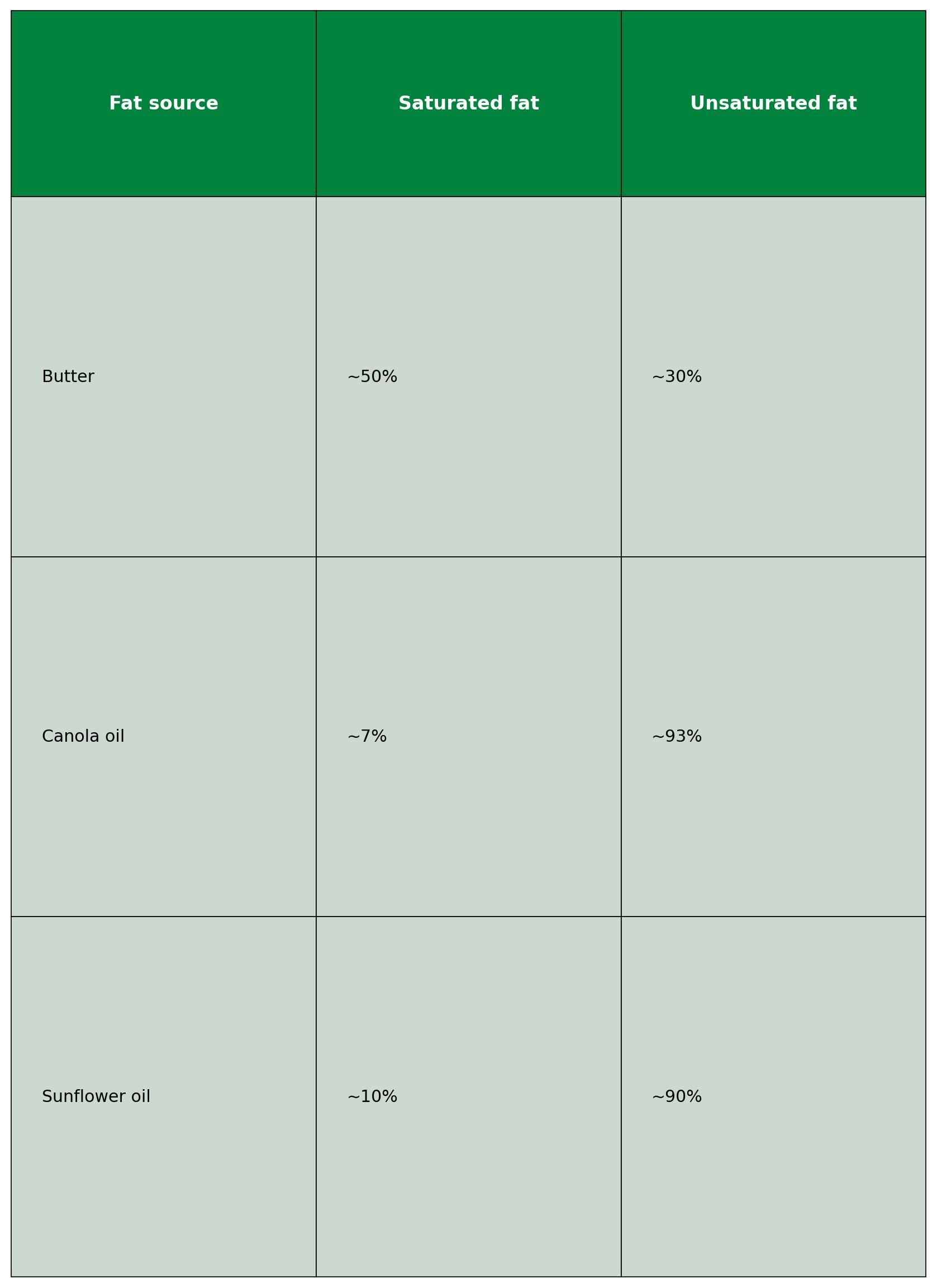
Seed oils vs. butter — which is better?
It depends on your goals, but seed oils are generally a heart-healthier choice. They contain mostly unsaturated fats, while butter contains higher levels of saturated fat, which can raise LDL

Seed oils are also neutral in flavor and more stable in cooking, making them a versatile and functional option in home and industrial kitchens.
What are seed oil-free foods?
“Seed oil-free” is a label used by some brands in response to public debate. However, seed oils are widely used because they are affordable, functional, and support global nutrition. Replacing them at scale would be costly and disruptive to both consumers and farmers.
Seed oils are used in everything from salad dressings to snacks — removing them from the food system would require major reformulations and come at the expense of nutrition and affordability.
The Bigger Picture: Why Seed Oils Matter
- Seed oils account for over 75% of global edible oil production.
- They support population-level heart health by reducing reliance on saturated fats.
- They're affordable and scalable, with no comparable alternatives except palm oil — which has environmental trade-offs.
- Cargill has invested millions in seed oil innovation and became the first global supplier to remove iTFAs from its entire edible oils portfolio in 2024.
Have another question? Contact us or visit our FAQ page.