
5 Cargill careers that keep the food system moving
Key Takeways
- Grain operators, agronomists, animal nutrition and health scientists, food scientists and chefs are all Cargill careers that keep the food system moving.
- Cargill works across agriculture, animal nutrition and food supply chains, connecting the work of our individual employees into the larger food system.
Behind every meal that shows up on a table is a complex network of people and processes that most consumers never see. Grain operators, agronomists, animal nutrition scientists, food scientists and chefs are all jobs at Cargill that help keep that food system moving. They help receive and move crops, advise farmers, support animal health and nutrition, develop food products with customers, and bring ingredients to life in real kitchens.
Cargill works across these connections, from agriculture supply chains to animal nutrition and food. Here is a closer look at five lesser-known careers that help keep the modern food system moving and why their impact is greater than many people realize.
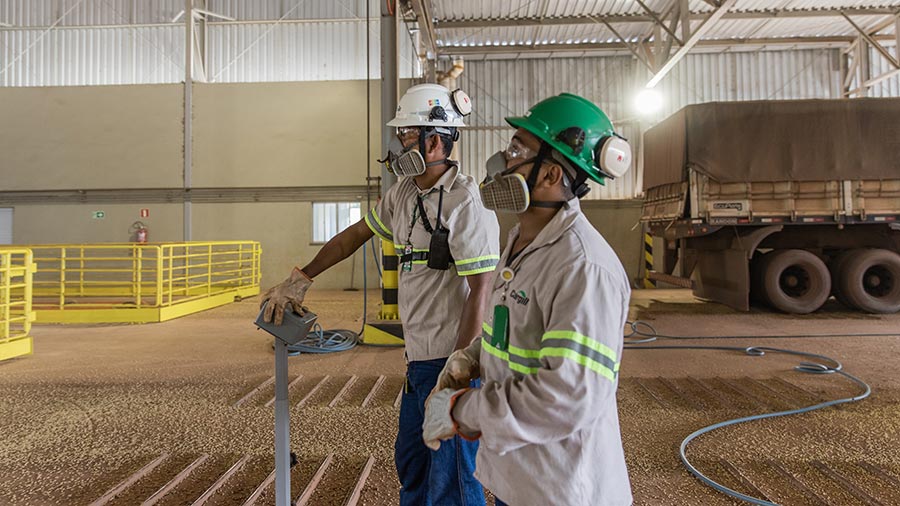
1. Grain operator
When grain comes in from the field, operators help keep it moving safely and in good condition. At a grain facility, that can mean receiving deliveries, checking grain quality, directing it to the right storage, monitoring equipment, and coordinating loading and shipping. The work helps connect farmers with processors and customers who rely on grain and oilseeds.
Cargill’s agriculture and food businesses source, store, trade, process and distribute crops, turning many — like corn and soybeans — into the sweeteners, starches and oils found in everyday foods and drinks. For grain operators, the day-to-day work is the practical link between those steps: keeping product, equipment and schedules in motion, especially during busy harvest periods.
“Grain handling is really about maintaining flow and consistency,” says Dan Pulis, who leads grain operations at Cargill’s corn milling facility in Cedar Rapids, Iowa. “Even small disruptions in storage or transport can have ripple effects across the supply chain, especially during peak harvest periods.”
Learn more about our career opportunities in production.
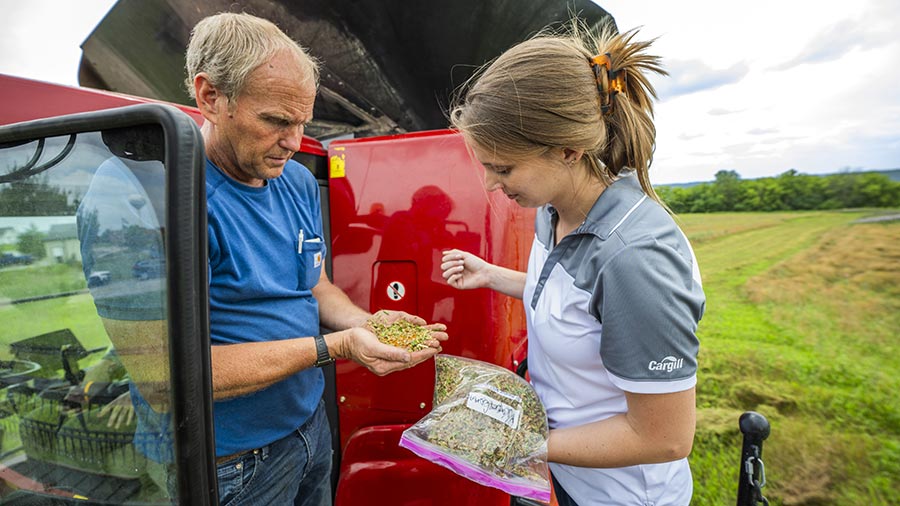
2. Agronomist
Cargill agronomists help farmers make decisions throughout the growing season, helping address complex challenges with research, data and trusted guidance. Depending on the crop and local conditions, that guidance may cover soil health, crop selection and rotation, nutrient and crop-protection plans, planting and harvest timing, and ways to manage weather and production risks. The goal is practical advice farmers can use in their own fields and farm plans to keep their operations productive for years to come.
Cargill offers farmer services that include agronomic support. That puts agronomists close to the decisions that shape a crop season, while connecting field-level guidance with broader agriculture and sustainability programs.
“Agronomy is about understanding how all the pieces fit together — from soil and weather to crop rotation and input use,” says Anna Teeter, a Cargill agronomist in Minnesota. “The goal is to help systems perform better over time, not just maximize a single season’s output.”
Learn more about our career opportunities in agronomy.
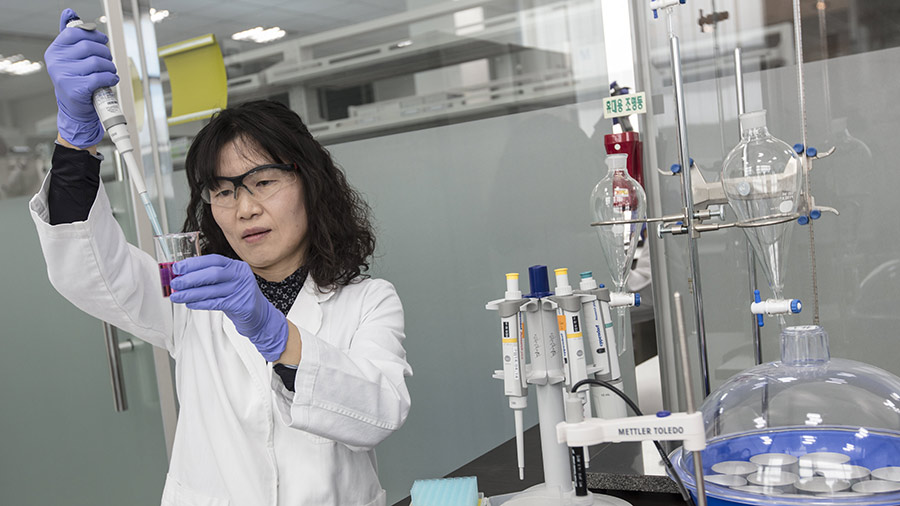
3. Animal nutrition and health scientist
Cargill animal nutrition scientists study how feed ingredients and nutrients affect animal health, productivity and efficiency. They evaluate ingredients, nutrient balance, digestion and feeding strategies, then work with colleagues to turn research into practical feed and farm management recommendations. Their work supports animal health and performance, and helps producers make informed feed decisions to improve farm profitability.
Cargill’s Animal Nutrition and Health business develops nutrition solutions and works with producers and customers to meet the needs of different animal species from birth to maturity. Scientists help connect research and information from digital platforms with the feeding programs and products used on farms.
“Nutrition plays a central role in how animals perform and stay healthy,” says Yairy Roman Garcia, a dairy nutrition scientist for Cargill in Minnesota. “By understanding how different feed components interact, we can support better outcomes for animal well-being and productivity, including milk production and growth.”
Learn more about our career opportunities in animal nutrition.
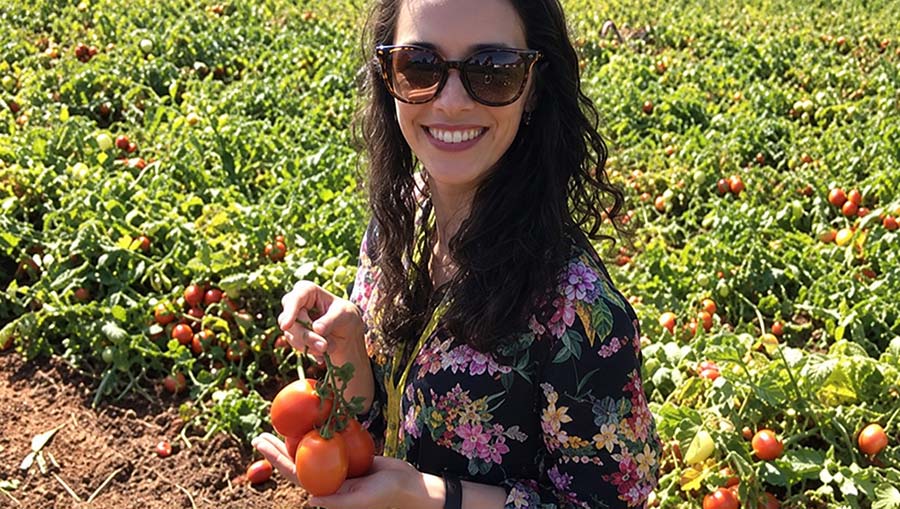
4. Food scientist
Cargill food scientists work with ingredients, formulation and processing to help turn a product idea into something that meets consumers’ growing demand for convenient, affordable foods that fit changing lifestyles, budgets and dietary needs. They combine science, creativity and technology to develop products that deliver on taste, texture, nutrition, safety, consistency and shelf life — all while ensuring they can be produced efficiently at scale.
Food scientists support customers by developing and improving products with food ingredients and technical expertise. The work is part of a wider effort in food innovation, where research and customer needs meet.
“Food science is where consumer expectations meet technical reality,” says Patricia Martins, a food scientist for Cargill in Brazil. “It’s about translating what people want — whether that’s taste, texture, or nutrition — into products that can be consistently produced at scale.”
Learn more about our career opportunities in food science.
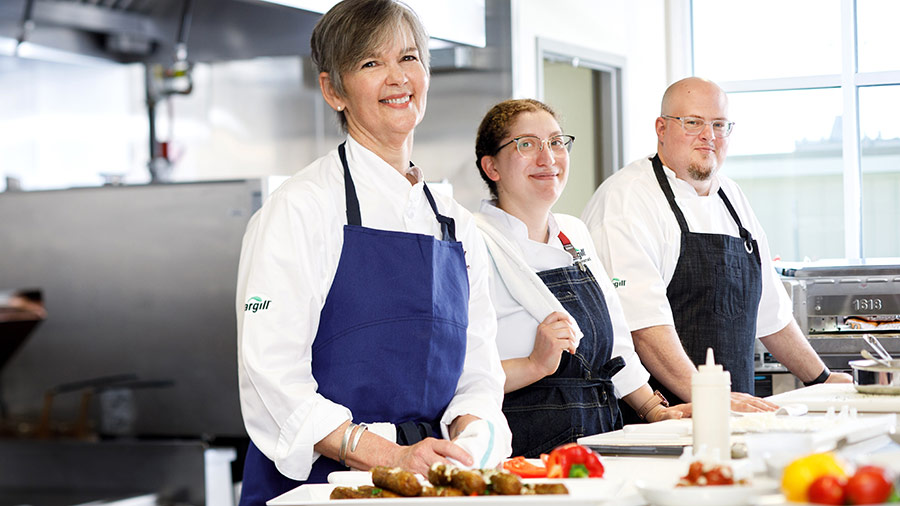
5. Chef
Cargill chefs bridge the gap between product development and our plates, testing how foods perform in real kitchens, restaurants, and foodservice operations to ensure they deliver on flavor, consistency and ease of preparation.
As more Americans choose to dine away from home, Cargill chefs’ expertise has become increasingly important. According to the USDA, Economic Research Service’s (ERS) Food Expenditure Series (FES), food-away-from-home continued to outpace food-at-home spending in 2025, reaching $1.41 trillion, or 56% of total U.S. food expenditures. For example, when a restaurant chain plans a new limited-time menu item made with Cargill ingredients, the Cargill culinary team might prepare it the way a new crew member would during a lunch rush, on the same equipment and with the same steps, to make sure it comes out the same at every location.
“There’s a constant balance between creativity and responsibility in culinary work,” says Pete Geoghegan, a chef for Cargill in Kansas. “It’s not just about creating something that tastes good. It’s about making sure it can be prepared safely, perform consistently in real kitchens and meet the expectations people have when they sit down to eat.”
Learn more about our career opportunities as a chef.
Explore a career that helps move food forward
From grain handling and crop science, to food development and culinary execution, every step from farm to table relies on a diverse network of specialized expertise. Agricultural and food scientists jobs are projected to grow 5% between 2024-2034. At the same time, the agriculture industry is experiencing a shrinking workforce, with more than half of farms in the U.S. reporting labor shortages.
Grain operators, agronomists, animal nutrition and health scientists, food scientists and chefs are a few of the 155,000 people across Cargill who keep the food system moving.
Cargill careers
For those interested in exploring new career options in food and agriculture, visit Cargill careers to see current openings and role requirements.
