
Culinary creations: How consumer preferences shape a meal, long before the first bite
Key Takeways
- What consumers want from food can influence decisions well beyond the restaurant menu or grocery shelf, including how food is grown, made and sourced.
- Understanding who we’re serving and what they need helps us decide what the food should taste, look and feel like before we determine how to make it.
- Creating food that delivers the experience consumers expect takes chefs, consumer insights experts, food scientists, ingredient specialists and manufacturing teams working together.
|
By Amanda HaubrockChef Amanda Haubrock is a culinary advisor at Cargill who explores food trends, consumer behaviors and culinary innovation. |
|
Chef Amanda Haubrock combines culinary expertise, food science and consumer insights to understand how evolving consumer preferences shape food innovation. Her work brings together chefs, researchers, food scientists and customers to translate emerging trends into new food experiences. Drawing on experience across bakery, protein, sauces, salt and chocolate, she helps develop food solutions that meet changing consumer needs and expectations. |

Chef Amanda Haubrock shares how changing protein needs inspire new food ideas and how chefs, scientists and ingredient experts work together to bring them to life.
Today’s consumers are asking more of their food. They want meals that fit their schedules, support their health goals and stay within their budgets. They want convenience without sacrificing quality, nutrition without sacrificing flavor and familiar foods with enough novelty to keep things interesting.
Protein is one example. Cargill's Protein Profile found that 94% of consumers say protein is important and 71% prioritize it in purchasing decisions. But people are increasingly thinking about protein based on their individual goals, from fitness and weight management to healthy aging, and they’re looking for it across more foods and eating occasions.
As a culinary advisor for Cargill’s North American Food business, I work with restaurant operators, retailers, food manufacturers, consumer insights experts and food scientists to help bring new food ideas to life. My role gives me a window into decisions consumers rarely see. The work behind their food often begins long before something reaches the grocery shelf or restaurant menu.
That’s why, for me, food innovation starts with a person. When we're developing a new food or meal concept, my first question isn't, “what ingredients do we have?” It's, “who are we serving?”

'The gold standard:' How consumer insights guide food product development
The answer to the question of who we’re serving helps us create what we call the culinary “gold standard.” It captures the flavor, texture, aroma and appearance we want someone to experience when they taste the food.
Is it a busy parent trying to get dinner on the table in 20 minutes? Someone looking for more protein throughout the day? A consumer interested in exploring global flavors at home?
I’ve watched consumers become much more adventurous with flavor. Korean-inspired sauces, Mediterranean ingredients, tropical flavors and sweet-and-spicy combinations are showing up more often in everyday foods. In conversations with customers, I’ve seen flavors that once felt niche become much more familiar as people look for something new while still wanting the comfort of foods they already enjoy. Understanding that person and what they’re trying to achieve shapes what we do next.

How product development teams take a recipe from the test kitchen to the grocery shelf
Bringing a food idea to life takes people with very different expertise working together.
Consumer insights experts help us understand what people want and why. As chefs, we use that understanding to imagine what the food could be. Then we work alongside food scientists, sensory experts and ingredient specialists to get the flavor, texture and nutrition right. Manufacturing and operations teams help make sure we can deliver that same experience when we’re making much larger quantities.
I’ve worked on foods that tasted exactly the way we wanted in the kitchen but needed more work to maintain that same quality after freezing and reheating. I’ve also seen an ingredient create the perfect texture in a small batch, only to behave differently when we started making much larger quantities.
Even something as familiar as a cookie, brownie or chocolate treat can reflect changing expectations. Someone may want a smaller portion, different nutritional benefits, an unexpected flavor or simply something indulgent. What they’re looking for affects the ingredients we choose, the taste and texture we’re trying to create, how the food is made and even how it’s packaged.
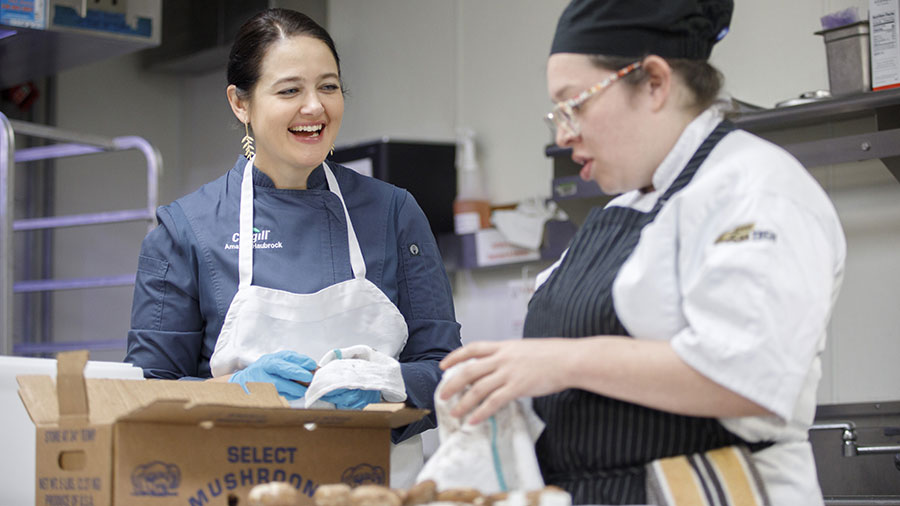
How consumer preferences influence decisions across the food supply chain
A consumer experiences the finished meal, but their preferences can influence choices involving ingredients, nutrition, taste, sourcing and preparation that helped create it.
Some of those choices reach all the way back to the farm gate.
Consumers may not talk about marbling, tenderness or eating quality in technical terms, but they know when a steak delivers the flavor, tenderness and experience they expect. Over time, demand for consistent, high-quality eating experiences can influence decisions throughout the value chain, including sourcing, animal nutrition programs and animal management practices that support eating quality and consistency.
By the time someone takes the first bite, chefs, scientists, ingredient experts, operators and producers may have made hundreds of decisions to deliver the experience that person wants. That is why every project begins with the same question: “Who are we serving?”
The answer to that question — and the journey it inspires — drives my love of what I do.
Meet the chefs
Our chefs provide expertise and inspiration to create products that make your kitchen run smoother or bring something new to wow guests.
