
Burger trends: What American consumers want from beef burgers
Key Takeways
- The better burger starts with the patty: Consumers look first for flavorful, juicy, high-quality beef.
- The eating occasion shapes the burger experience: What consumers want changes depending on where, when and why they are eating.
- Burger innovation works best when it stays recognizable: New flavors, formats and cooking techniques can create excitement while preserving what consumers already love.
- Cargill connects consumer insight to food innovation: Consumer research helps Cargill’s culinary, sensory and food science teams translate what people want into burger solutions for foodservice and retail customers.
|
By Lucy WoodsLucy Woods studies consumer behavior at Cargill. Her latest research explores burger trends. |
|
Lucy Woods leads consumer-focused research at Cargill, studying how people make food choices and translating those behaviors into insights that can help inform business decisions. With a background in anthropology and marketing, she combines in-person consumer research, social listening and quantitative studies. Her recent burger research included direct consumer conversations and a survey of approximately 3,000 Americans to understand what people value in burgers, how eating occasions are changing and which trends may shape the category next. |

Burgers may be one of the most familiar foods in America, but what makes a great burger is still evolving.
That is what I wanted to understand through our latest consumer research at Cargill. We spoke directly with consumers and surveyed approximately 3,000 Americans about what they value in a burger, how their expectations change by eating occasion and which burger trends are creating interest.
The findings point to an interesting tension: Consumers are open to innovation, but the fundamentals still matter most.
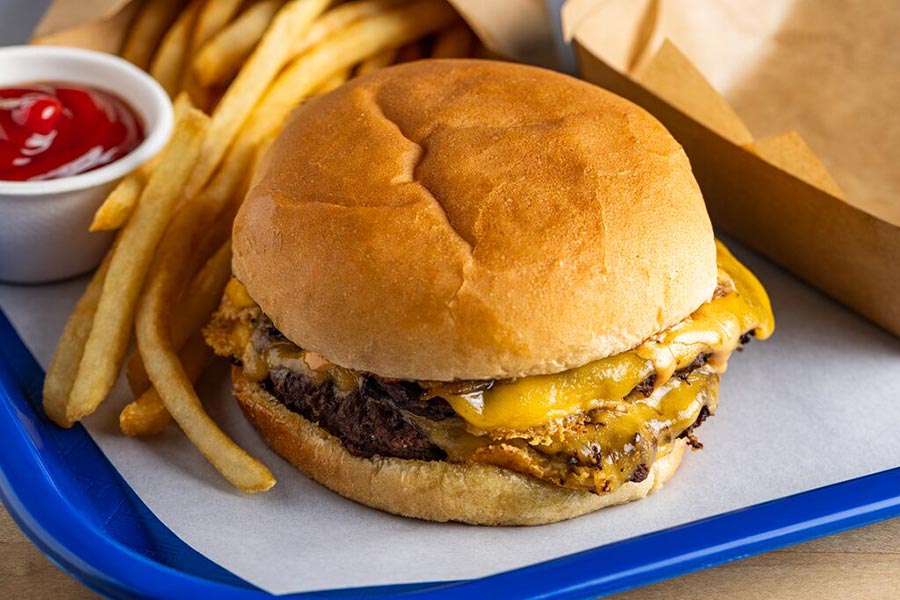
The better burger starts with the patty
One of the clearest things consumers taught me through our burger research is also one of the simplest: Start with the patty.
Our research shows that the beef patty is where consumers begin judging whether a burger feels high quality.
A few years ago, we often thought about burger quality as the sum of all the parts: the bun, toppings, sauce, seasoning and patty. Now, the research points to a clearer hierarchy.
Once the patty becomes the starting point, the next question is what consumers expect from it. Their answer is remarkably consistent: flavorful, juicy and fresh.
Juiciness stood out to me because consumers describe what they want in very direct terms, even though delivering that experience consistently is much more complex. How a beef patty is formed, how it is cooked and how much time passes before it is served can all influence that first bite.
After I shared the finding with one of our experts, the response was essentially, “Let’s put science around juiciness.”
I love that reaction because it shows what consumer insights can unlock. My role is to understand what people want and why it matters to them. From there, Cargill’s food scientists, sensory experts and culinary teams can explore what creates that experience and how to deliver it consistently.
That reinforces one of the strongest findings from the research: The patty is where consumers start judging the burger experience and where getting the fundamentals right can make a meaningful difference.
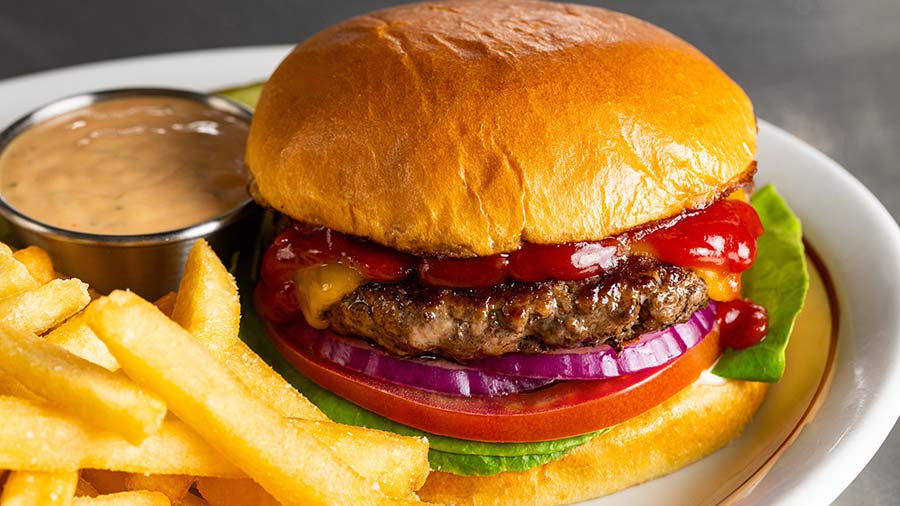
The same burger can have a different job to do
One question I often use in consumer research is: "What job is this food being asked to do?"
Burgers are a good reminder that the answer changes depending on the situation.
A burger purchased during a Tuesday lunch break serves a different purpose from a burger ordered during a Saturday night dinner. In one setting, speed, convenience and portability matter most. In another, people may be looking for something thicker, juicier, more distinctive — an experience that feels more like a reward.
At home, the experience changes again. People have control. Everyone can choose their own toppings, seasoning and level of cooked. My daughter loads hers with pickles, my husband reaches for seasoned salt and I usually keep mine classic with a brioche bun, American cheese, ketchup, mayo and lettuce.
That is why I continue to put so much value on talking directly with consumers. People rarely describe the future using food-industry language. They talk about the burger they ate in the car, the one they rewarded themselves with after a long week or the way everyone in their household builds theirs differently.
Those conversations are a reminder there is no single definition of a great burger.
The more I look at the research, the more convinced I am that making a better burger does not require making it more complicated. It starts with understanding what consumers want from that meal and delivering the experience they value.
That is where better innovation starts.
Make it new, but keep it recognizable
The next great burger does not need to be the most complicated burger. In fact, our research points the other way: Consumers respond most strongly to ideas that feel new but still make immediate sense.
Smash burgers are a great example. Consumers notice the crispy edges, distinct texture and visible cooking technique. The preparation itself becomes part of the experience. It signals that someone did something intentional in the kitchen.
We see a similar response to descriptions such as charbroiled, charcoal-grilled and smoked. Those descriptions signal care and craft before the first bite.
Another behavior I’m watching is dipping. Consumers have become familiar with sauces and dipping in other parts of foodservice, and now we’re starting to see some of that behavior move into burgers. Cheese sauces, signature dips and birria-inspired concepts can make a familiar meal more interactive.
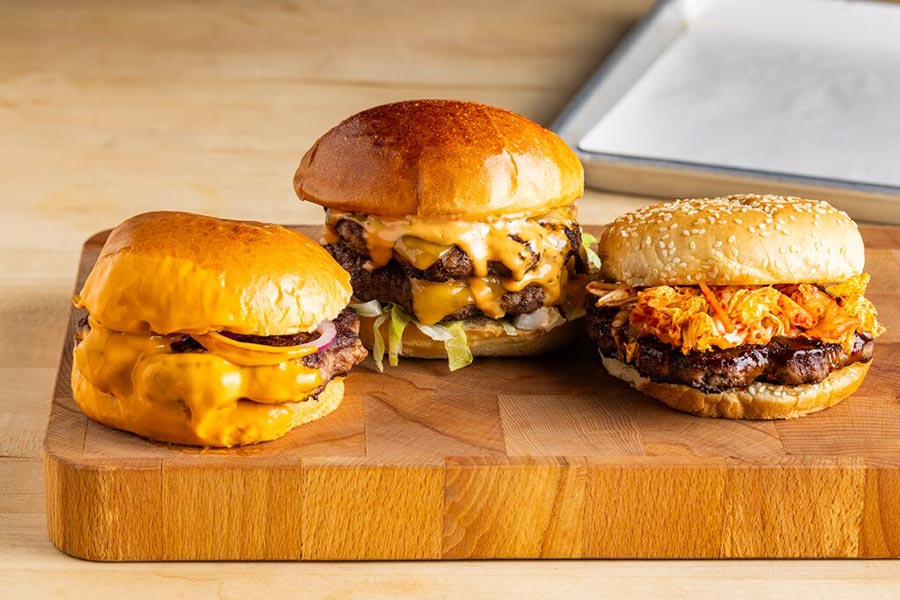
Global flavors are another good example. Korean-inspired sauces, Indian spices and other global influences can offer something new to try, particularly for younger consumers, while keeping the burger itself familiar.
Burger innovation can also come through format. The Juicy Lucy — a cheese-stuffed burger familiar to many consumers in the Midwest — changes the eating experience while staying rooted in something consumers already know: a cheeseburger.
Whether the change comes through flavor, texture, technique or format, the pattern is similar. Consumers are open to change when it shows up in ways they can immediately understand.
The common thread is familiarity. New ideas can add interest and excitement, but the burger still needs to feel recognizable.
All these findings point in the same direction. The future of burgers starts with getting the fundamentals right: a high-quality beef patty, an experience that fits how and why people are eating, and innovation that adds something consumers genuinely value.
Start there, and there is still plenty of room to make one of our most familiar foods feel new.
Cargill’s burgers
Explore our portfolio of burger brands designed to deliver flavor, consistency and performance.
