
Dairy protein demand is rising. Farmers are meeting the moment.
Key Takeways
- Demand for high-protein dairy foods like yogurt and cottage cheese is increasing as consumers prioritize protein in their diets.
- Dairy farmers often earn more when milk contains higher protein and butterfat components, not just higher milk volume.
- Animal nutrition strategies and digital tools from Cargill help farmers increase milk protein and adapt to changing dairy market demand.
Open a refrigerator in the U.S. right now and you’ll likely find a familiar lineup: Greek yogurt, cottage cheese, maybe a ready-to-drink protein shake. Protein has moved from niche nutrition goal to everyday habit for many Americans.
In 2025, about 70% of Americans said they are trying to consume more protein, according to the International Food Information Council. Dairy products are often part of that shift because they provide high-quality protein in convenient formats.
Consumption data reflects the trend. Yogurt consumption reached 14.5 pounds per person in 2024, while cottage cheese consumption climbed to 2.4 pounds per person — the highest level since 2009.
But the demand consumers see at the grocery store doesn’t begin there. It starts much earlier in the food system — on dairy farms. As consumers prioritize protein for health, convenience and affordability, dairy processors increasingly need milk with higher protein and butterfat components.

Why protein is driving dairy demand
Several forces are pushing protein to the center of consumer diets.
Many consumers associate protein with muscle health, satiety (feeling satisfied after eating) and overall wellness. Social media has accelerated the trend, with recipes featuring cottage cheese and high-protein yogurt appearing frequently across TikTok and other platforms.
Health trends are reinforcing the shift. Some consumers using GLP-1 medications are prioritizing “smart calories,” meaning foods that deliver more nutritional value per serving. Dairy foods are often part of that strategy because they provide high-quality complete protein that is widely available and relatively affordable.
Market data reflects the momentum. In the United States, cottage cheese sales grew from roughly $1.3 billion to $1.8 billion in just two years, driven by demand for high-protein foods and wellness-focused diets.

What are milk components?
Milk is a naturally nutrient-rich food, providing healthy fats, high-quality proteins and important carbohydrates that make it a valuable part of a balanced diet. It’s those components that are the key to farm profitability.
The most important when creating dairy byproducts are:
- Protein
- Butterfat
- Other solids that contribute to taste, texture and processing performance
Many farmers today are paid depending on those components within the milk, because processors need those components to make products like cheese, yogurt and protein powders. For years, many farms focused on maximizing butterfat production. As demand for protein-rich dairy foods has grown, attention has increasingly shifted toward milk protein levels.
How animal nutrition influences milk protein
Animal nutrition plays a central role in milk production. By adjusting nutrients or incorporating specialized ingredients into feed, farmers can influence the protein or butterfat levels produced by their herds.
The composition of a cow’s diet affects how efficiently nutrients are converted into milk components. Feed ingredients, amino acid balance and overall energy availability can all influence milk protein levels.
Nutrition strategies may include:
- Balancing amino acids to support milk protein synthesis
- Optimizing energy supply and sources for optimal rumen fermentation and milk production
- Incorporating specialized micronutrition ingredients such as postbiotics that support digestive system and gut health

Weather and heat stress can change milk outcomes
Environmental conditions can also affect milk production.
Heat stress can reduce a cow’s feed intake, disrupting milk production and health. That can reduce the amount of butterfat or milk protein production, ultimately impacting farm income.
Climate data shows heat waves have become more common across the United States, increasing from roughly two per year in the 1960s to 10 per year between 2010 and 2020.
When temperatures rise, nutrition strategies may need to adapt to help maintain herd performance.
“Nutrition is dynamic. A diet that worked last month might not be the right fit today,” Guillermo says. “We’re constantly testing feed ingredients and when conditions like prices, ingredient availability or farm conditions shift, we use digital tools to optimize diet changes that will match available nutrients with what a specific herd needs at a specific time to optimize production, health and profit.”
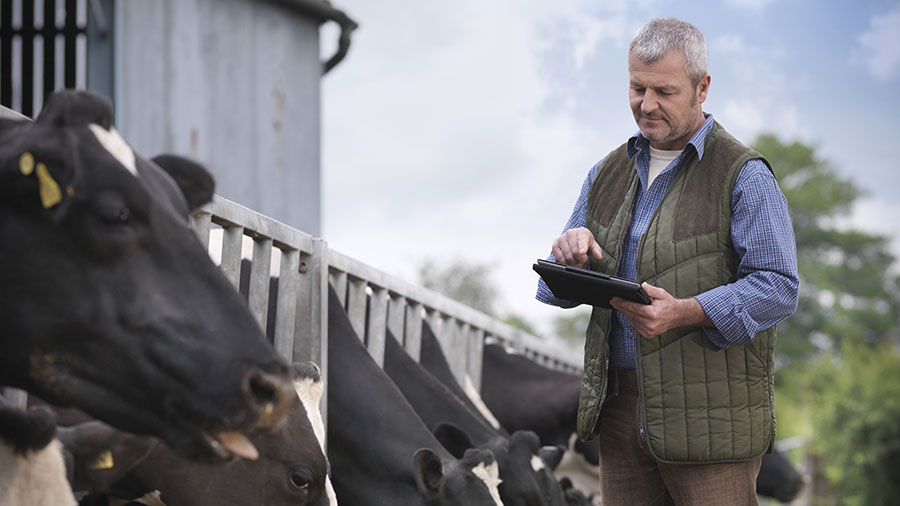
How digital tools help tailor nutrition decisions
Modern dairy farms generate significant amounts of data — from feed ingredients to herd performance.
Digital nutrition tools can help farmers interpret that information and adjust feeding strategies accordingly. These systems can combine nutrition models, ingredient analysis and farm data to provide more precise recommendations.
For example, digital platforms may help farmers:
- Monitor key inputs like feed ingredient variability and on-farm conditions
- Analyze nutrient supply and demand using real-time ingredient insights
- Model “what-if” scenarios to evaluate nutrition options before changes are made
- Recommend targeted adjustments, prioritized by expected impact
Examples of tools used in dairy nutrition include DairyMAX, the Cargill Nutrition System and Dairy Enteligen.
By translating complex data into practical insights, these tools help farmers make more informed decisions about herd nutrition.
Frequently asked questions
Why is dairy protein demand increasing?
Dairy protein demand is increasing because consumers are prioritizing protein for muscle health, satiety and weight management. Foods like Greek yogurt and cottage cheese provide convenient, affordable sources of high-quality protein.
How do farmers increase milk protein?
Farmers increase milk protein by adjusting dairy cow nutrition. Balanced diets with optimal amino acids, energy and digestible feed ingredients help cows produce higher milk protein levels.
What are milk components?
Milk components are the key elements that make up milk, including protein, butterfat and other solids. Many dairy farmers are paid based on these components rather than total milk volume.
Why does heat stress reduce milk protein?
Heat stress reduces cow appetite and feed intake. When cows consume less energy and nutrients, milk production and milk components such as protein and butterfat can decline.
Animal nutrition at Cargill
See how we’re helping farmers adapt to complex market forces, maximize conversion and improve animal performance.
