
To reduce food waste, look beyond the plate
Key Takeways
- Food loss and waste affect nutrition, put pressure on affordability and weaken food system resilience.
- Reducing food waste requires integrated approaches from farm to fork, long before food reaches a plate.
- Progress requires prevention to be built into the way the food system operates, using AI, infrastructure and new recovery markets.

By Lauren Bresnahan, Ph.D.
Lauren Bresnahan is the chief economist at Cargill.
Lauren Bresnahan, Ph.D., leads economic analysis and insights on global food systems, market dynamics and macroeconomic trends, helping inform strategic decision-making across the company and its customers.
A version of this OpEd ran in the October issue of Supply Side Food & Beverage. Adapted and republished with permission.
We have a food system capable of producing and moving food at remarkable scale. Yet food continues to be lost between harvest and retail. We can do better. And when we do, more nutritious food can reach family dinner tables without a higher grocery bill.
A recent index created by Economist Enterprise and supported by Cargill, known as The Resilient Food Systems Index, shows that 13% of food is lost before reaching retail, while 19% is wasted at the household level. It is clear reducing food loss requires more than asking people to throw away less. It requires changes to how food is processed, stored, transported and recovered throughout the value chain.
There is a lot of work that needs to be done, but here at Cargill, we are already working toward improving the system from farm to fork.
From my perspective as an economist, three priorities stand out to improve food system resilience.
1. Pair AI with operational expertise to prevent loss upstream
Food waste and loss often happen because existing systems fail to capture the full value of available food. Innovation and AI, paired with people’s expertise, can improve precision and recover more from existing food moving through the supply chain.
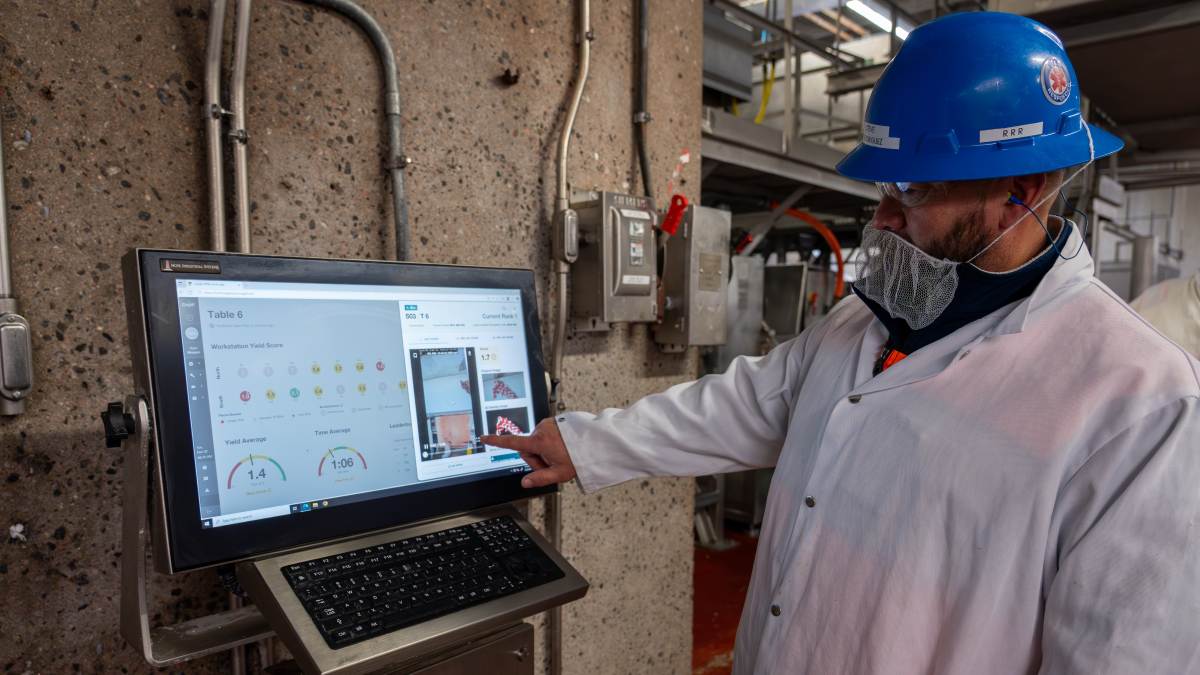
For example, CarVe uses AI-enabled computer vision in beef processing to analyze cuts and provide employees immediate feedback showing where more usable meat can be recovered. In initial sites, CarVe is showing yield improvements of 0.2-0.5%, depending on the cut. Even an incremental gain can add up: recovering an ounce more of red meat per animal — in a U.S. market producing more than 24.8 billion pounds of beef annually — could mean hundreds of thousands of additional protein servings.
2. Build infrastructure that keeps food moving
Perishable food can go to waste when temperature control, storage or transportation conditions break down. Reliable infrastructure and strong cold-chain systems, including monitoring tools, can help preserve food quality and move products efficiently to market.
In Cargill’s Latin American poultry business, dependable infrastructure supports the movement of approximately 1.35 billion pounds of temperature-controlled poultry products through the food system. That scale requires maintaining the infrastructure of precise temperature control, reliable transportation and coordinated distribution.
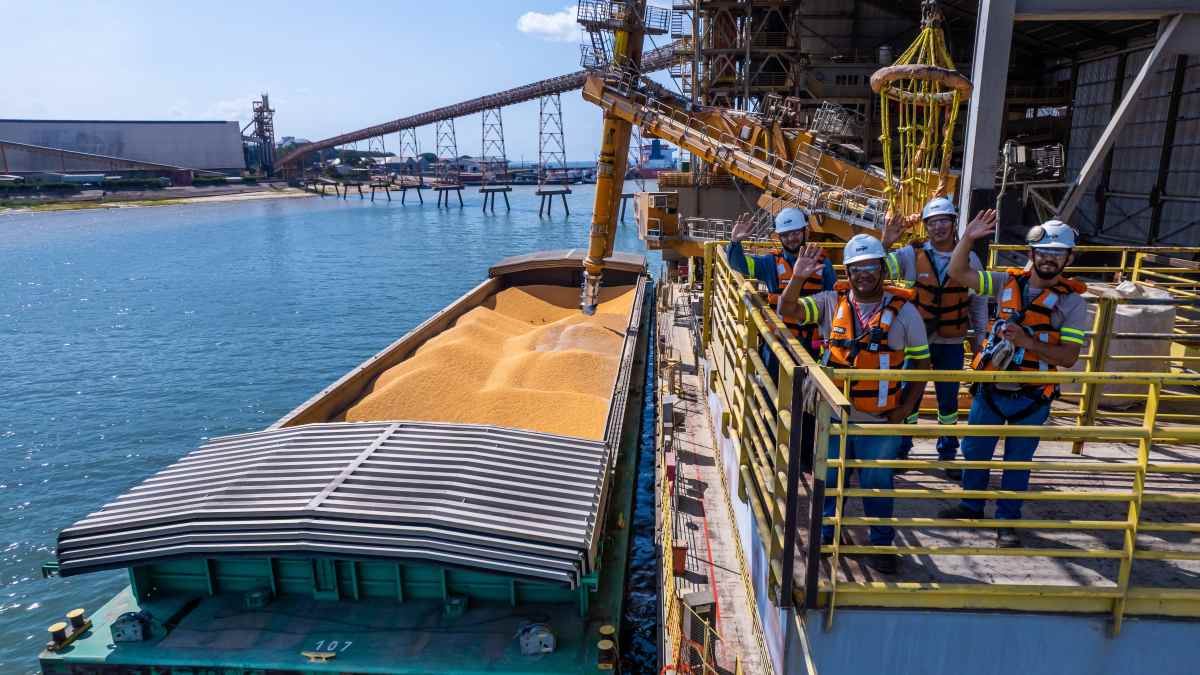
Infrastructure also connects agricultural production to markets. In northern Brazil, Cargill expanded grain storage capacity to 60,000 tons in Porto Velho and increased grain-handling capacity in Santarém by 20%. These investments support more effective and stable movement of Brazilian crops to domestic and international markets, ensuring the capacity and coordination to keep products moving.
3. Create recovery markets that preserve value
Waste also occurs when there is no viable destination for a material that still has value. Recovery requires collection, processing and a dependable end market.
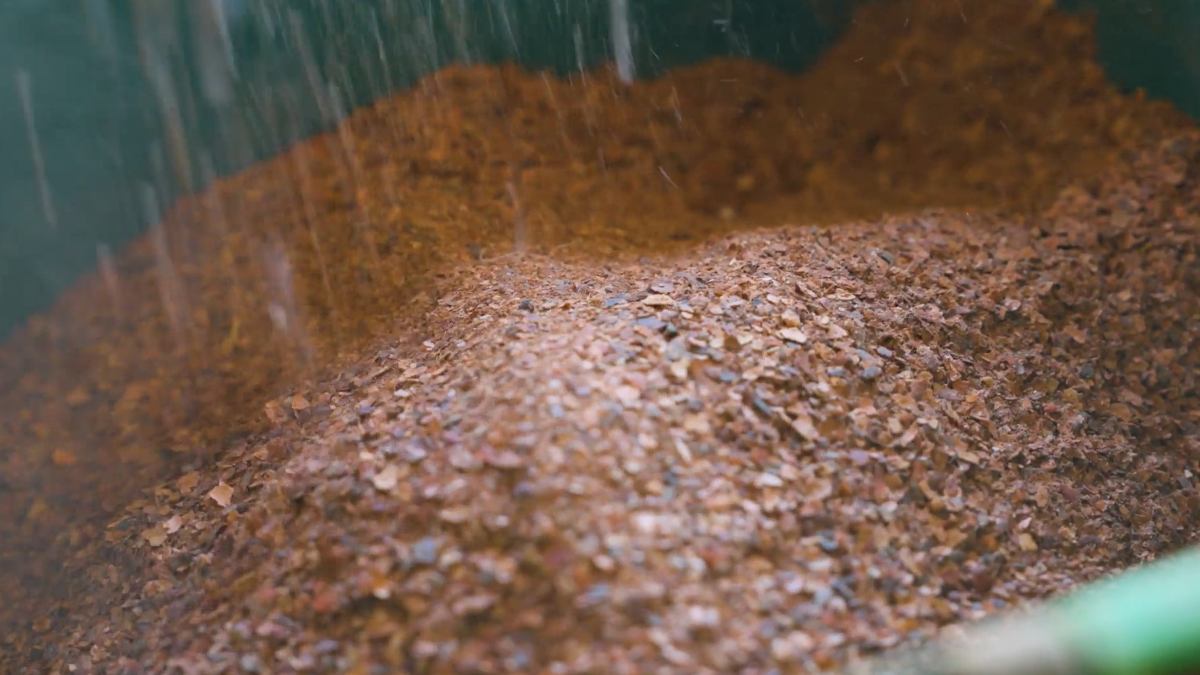
In the Netherlands, cocoa shells from a Cargill cocoa plant are transported to Amsterdam to power a biomass boiler at Cargill’s multiseed crush and refinery site. This approach puts a processing byproduct to productive use and cuts more than 19,000 tons of greenhouse gas emissions annually — equal to heating 10,000 homes for a year.
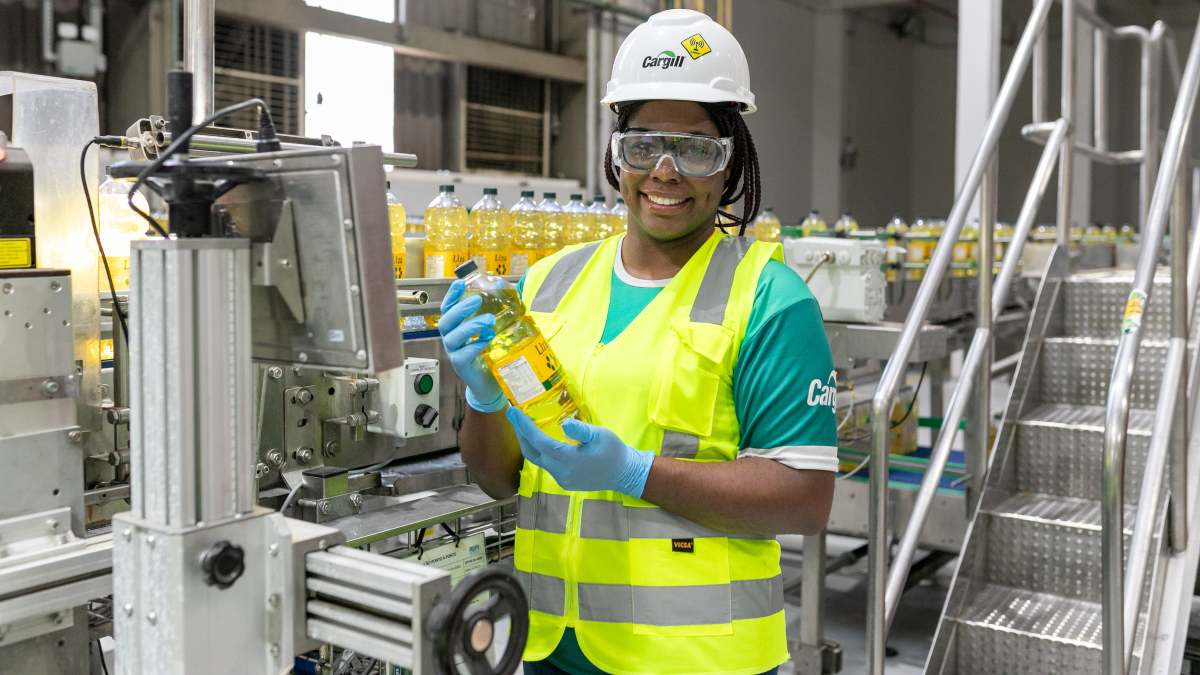
Similarly, in Brazil, Cargill’s ReaLiza program collects used cooking oil and transforms it into an input for biofuels. The program operates in more than 260 cities across 22 Brazilian states and has collected more than 16 million liters of used cooking oil since its inception.
These examples show how coordinated recovery systems can give materials that once represented waste a second use.
Make prevention the default
If we are to truly reduce food waste, more attention needs to focus upstream, where AI, technology, infrastructure, logistics and market design determine whether food keeps moving or falls out of the system. It also requires shared responsibility across governments, food and agriculture companies alike.
Working together, we can prevent loss before it occurs. If we can do that, we will improve food availability, ease cost pressures, widen access to nutrition and build a food system that is more resilient for the future.

Resilient food systems
Explore our approach to creating more resilient food systems