
Understanding commodity trading: how traders manage risk, support more reliable supply chains
Key Takeways
- Commodity traders and merchants help connect farmers, processors and customers across global markets.
- They use market insight and risk management tools to help customers plan through volatility.
- Their work helps make food supply chains more reliable and adaptable.
A vessel waits outside a crowded port. Heavy rain slows a harvest in one region, while demand rises quickly in another. Prices move by the minute, freight options tighten and a food manufacturer still needs ingredients to keep production running.
In moments like these, the question is not simply where to buy or sell. It is how to keep supply moving, manage risk and help customers make informed decisions before disruption spreads.
That is where Cargill’s commodity traders come in. They connect local crop knowledge, global market insight and risk management tools to help farmers, processors and food companies navigate volatile markets. Their work helps move agricultural commodities from areas of strong supply to the places where they are needed most.
When that work is done well, food reliably moves from places with strong supply to markets that need it — strengthening the supply chain and supporting a more food-secure world.
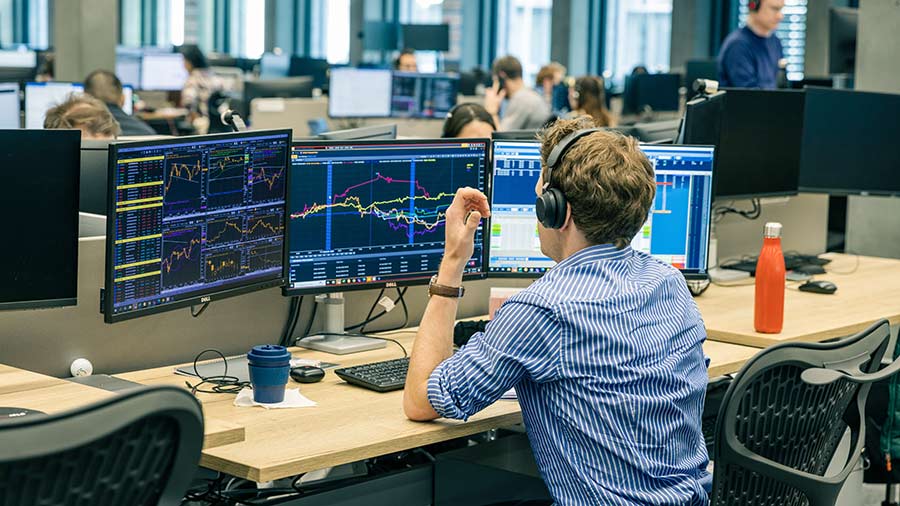
Trading and risk management throughout global commodity markets
Commodity traders help customers manage uncertainty caused by weather, freight disruptions, geopolitics and changing crop conditions. A dry season, a delayed harvest or congestion at a port can affect both prices and availability.
Commodity traders help customers manage that uncertainty.
“Volatility is part of global agricultural markets,” says Kyle Simpson, global head of trading for Cargill Risk Management in Minneapolis, Minnesota. “You can’t eliminate it, but you can manage it with discipline. Our role is to help customers understand their exposure, make informed decisions and stay focused on running their businesses.”
At Cargill, traders use tools such as hedging, forward contracts and structured risk solutions to help customers manage price swings. Just as important, they connect those tools to the physical supply chain — crop quality, shipment timing, storage capacity and customer demand. That gives customers a clearer view of both price and supply risk.
The value is practical. Farmers get clearer market signals. Food manufacturers gain visibility into input costs. Processors and end users have more confidence in supply. When risk is managed well, businesses can plan better, reduce surprises and stay focused on serving their own customers.
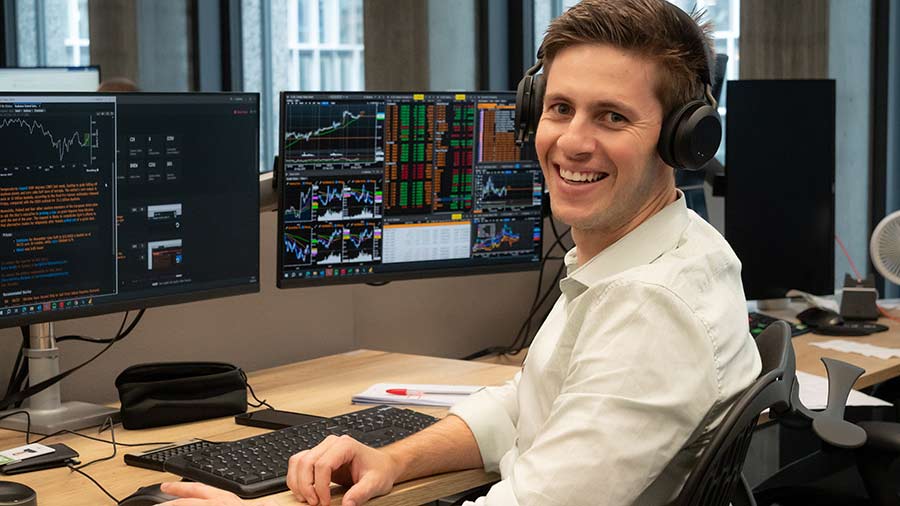
What do traders do day to day?
Commodity trading is fast-moving, but the work is disciplined and practical.
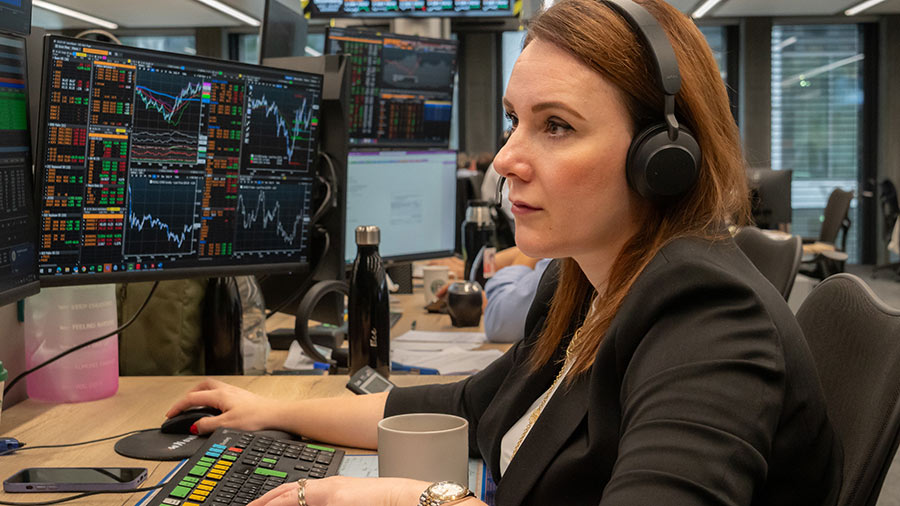
Cargill traders are not just watching prices on a screen. On any given day, they may review crop conditions, speak with farmers or origination teams, assess customer demand, watch futures markets, evaluate freight availability and adjust risk positions. Some days that means pricing a forward contract for a food manufacturer. Other days it means adjusting hedges, rerouting supply after a weather event or finding alternative origins when a customer needs coverage.
Traders work closely with logistics, storage, processing and analytics teams to match physical supply with commercial needs.
Every decision starts with the same questions: Where is the crop? What are its characteristics? Which customers need supply? Is freight available? What risks need to be managed today, and what could change tomorrow?
That daily coordination is how traders add value. They help find the best market for a crop, line up supply before shortages happen and respond quickly when conditions change.
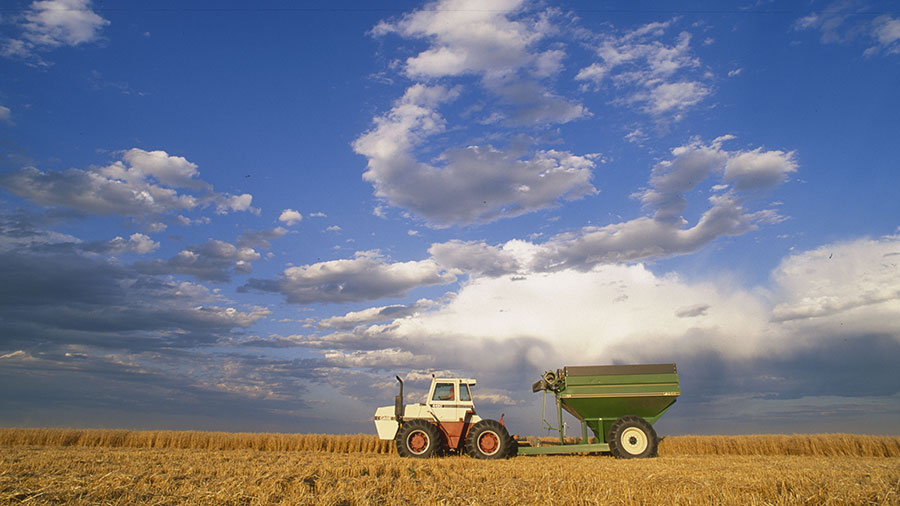
Commodity trading in South America and beyond: close to production, tied to demand
Commodity trading is global, but it starts close to the crop.
In South America, Wagner Assis, grains trading lead for Latin America, works with farmers across Argentina, Uruguay and southern Brazil. His team buys corn and wheat at origin, operates grain facilities and connects supply with customers in domestic and export markets.
“It all starts with the farmer,” Wagner says. “We see the crop first. We understand the characteristics and the volume. Then we connect it to where it is needed.”
That local view matters because no two harvests are the same. Weather can change yields. Characteristics can vary by region. Customer demand can shift quickly. Traders who are close to production can see those changes early and adjust plans faster.
“We stay close to supply and close to demand,” Wagner says. “When something changes, we adjust quickly.”
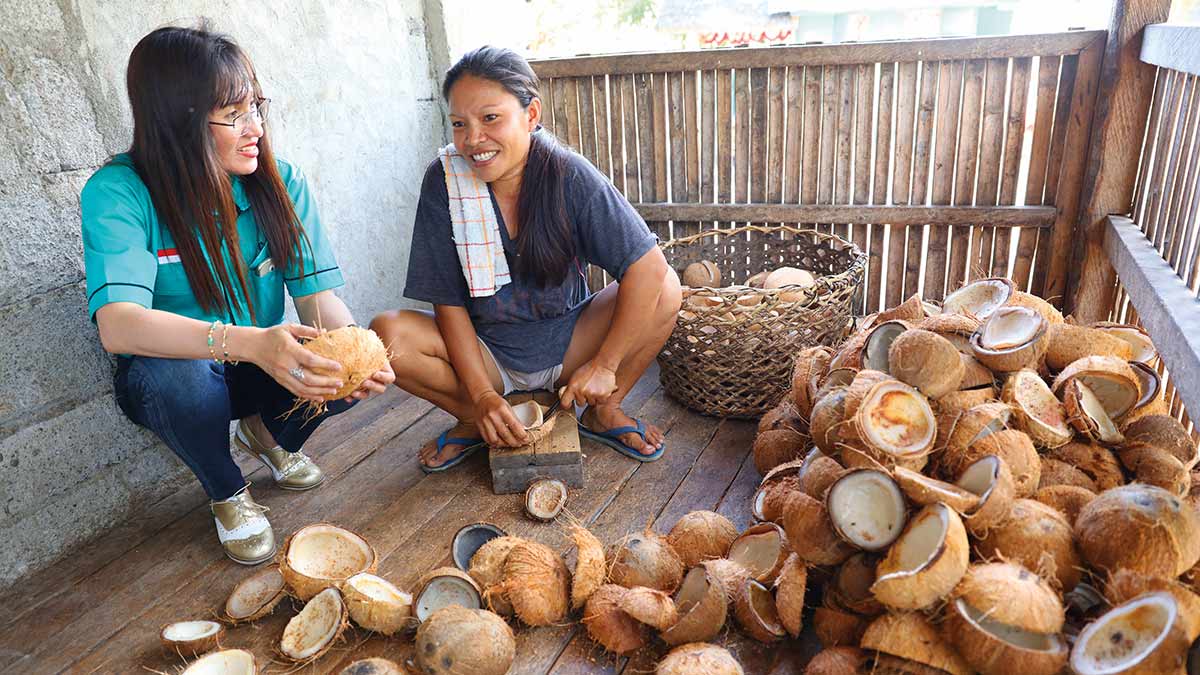
Trading edible oils across Asia Pacific: connecting regional markets to global demand
The same is true in Asia Pacific. In Kuala Lumpur, Malaysia, Andrew Chong, tropical oils trading lead for Cargill’s food business in Asia Pacific, helps connect Southeast Asian production with demand around the world.
The region is a major source of edible oils, and small changes in weather, export flows or policy can affect supply balances. Traders help customers navigate those shifts by combining market insight with diversified sourcing and strong commercial coordination — redirecting flows and keeping supply moving.
“ “Our customers need reliability. They need to know that even when markets are volatile, supply will continue.”
Shipping analytics and trading insight
in Geneva: part of a global trading network
Good trading decisions depend on good information.
In Geneva, Switzerland, Rakhi Rastogi leads research and trading analytics for shipping and energy. Her team tracks vessel flows, port activity, freight availability, energy supplies and demand patterns to understand where pressure may build in the system.
Those insights help Cargill’s traders act earlier. A delay in one export corridor can mean finding a different route, shifting supply to another origin or helping customers prepare for higher costs and longer lead times. Better visibility helps the supply chain respond before a problem becomes a bigger disruption.
“Shipping is the circulatory system of agricultural trade,” Rakhi says. “If freight tightens or routes are disrupted, it can quickly affect the movement of grain, edible oils and food ingredients around the world.”
This is another way traders add value: not only by executing trades, but by helping customers understand what is happening in the market and what it could mean for their business.
Why commodity traders matter
Commodity traders help connect a complex food system. Their work is often behind the scenes, but it matters at every step of the chain. They link local harvests with global demand. They manage risk across the supply chain. They turn market signals into action. And they help keep agricultural commodities moving from where they are grown to where they are needed.
“At the end of the day, this work is about people,” Wagner says. “Farmers, customers and food producers all depend on markets working well. Our job is to help connect supply and demand and keep food moving.”
Reliable food supply chains depend on connected markets, responsible risk management and the ability to adapt when disruptions happen. Commodity traders play an important role in making that possible.
Frequently asked questions about commodity trading at Cargill
What does a commodity trader do?
A commodity trader connects supply with demand in agricultural markets. At Cargill, traders buy and sell commodities, monitor crop and market conditions, coordinate with logistics and use risk management tools to help customers manage price and supply exposure.
How do traders help manage risk?
Traders use tools such as hedging, forward contracts and diversified sourcing to help customers manage price volatility and supply disruptions. Their job is to reduce uncertainty and support better planning across the supply chain.
Why does local presence matter in global trading?
Agricultural markets are shaped by local crop conditions, infrastructure, regulations and customer demand. Being close to production and close to customers helps traders respond faster and make better decisions.
Why are commodity traders important to the food supply chain?
Commodity traders help move crops and food ingredients from areas with strong supply to regions with customer demand. They also help businesses manage price volatility, shipping disruptions and changing market conditions.
Trading jobs at Cargill
Find out more about what trading jobs are available at Cargill.
