
Mine Oversight and Stability
The Cayuga Mine operates under a Mined Land Reclamation Permit issued by the DEC in 1975, which has been subject to regular permit renewals. In each case, the DEC has determined that there would be no significant adverse environmental impact from mining.
In the mid-1990s Cargill undertook a thorough environmental assessment of the region to verify Cargill’s understanding of the geology. This work has served as a critical foundation for the continued evaluation and study of mine stability and operations.
Over the years, Cargill has relied on several similarly credentialed experts to assist its own mine stability and other technical evaluations. Each year Cargill performs an internal risk review with leaders to evaluate and manage the risks associated with mining.
In addition, the federal Mine Safety & Health Administration (MSHA) oversees mine safety such as adequacy of underground ventilation and emergency access. MSHA inspects the mine every calendar quarter. Each of these inspections typically lasts six to eight weeks.
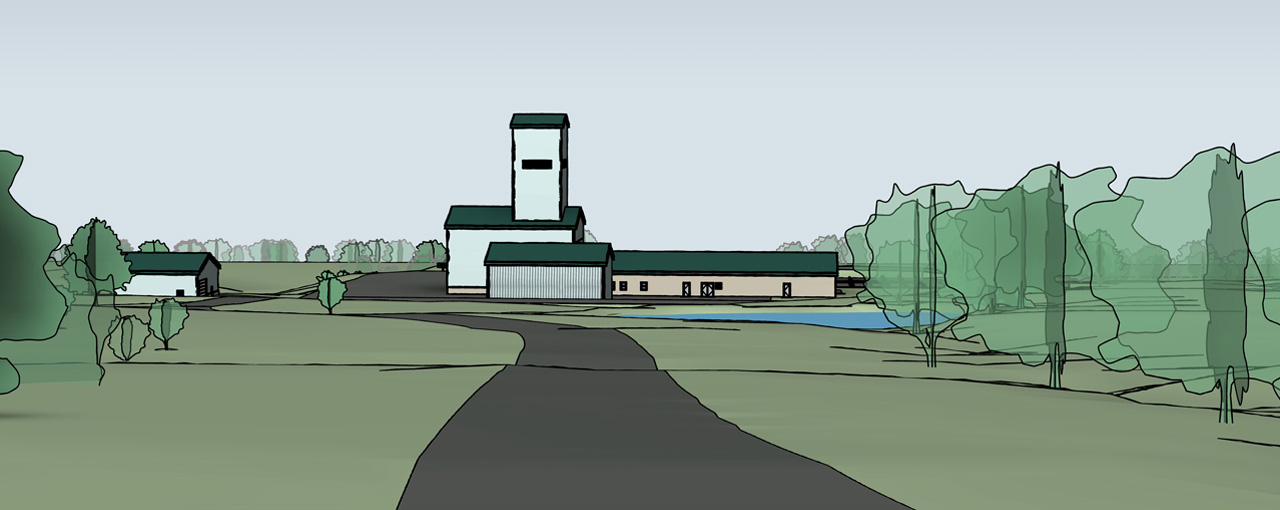
In 2021, under oversight from DEC, Cargill completed the construction of a new air shaft and its associated facilities. This $42M investment created surface access and a ventilation shaft for the safety of our miners, decreasing the distance from the current underground operations to the new air shaft.
General Questions
Shawn Wilcyznski, Mine Manager
Cargill Deicing Solutions
Lansing, NY
shawn_wilczynski@cargill.com
Media Inquiries
Jill Kelsey, HR and Communications Director
Cargill Deicing Solutions
612-232-5931
Jill_Kelsey@cargill.com
Frequently Asked Questions:
Why a new airshaft?
Cargill is committed to providing a safe work environment for mine employees. The new air shaft will enhance and provide a sustained safe operation of the mine by increasing fresh air ventilation and reducing the evacuation travel times from the mining areas to the surface for the crews.
As mining continues under Cayuga Lake, how much bedrock separate the lakebed and the mine?
More than 600 feet of bedrock separate the mine and Cayuga Lake. Cargill has worked with premier mine engineering and design experts to ensure the long term health and quality of the Lake is not compromised.
What did Cargill build at the Ridge Road #4 shaft site?
The site includes a shaft house with shower /change areas for crews, a hoist house and a small shop. All salt processing and hauling remains at the main mine site at Portland Point.