
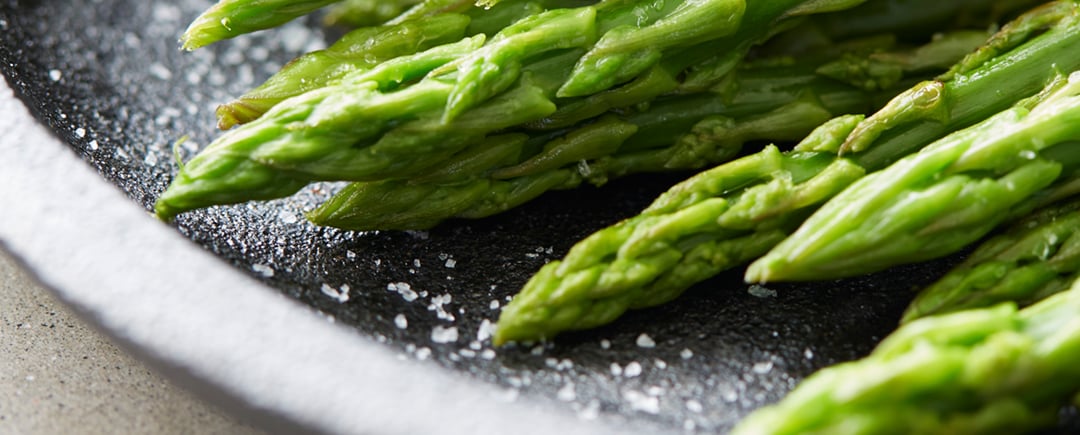
Consumer Perception Study Bolsters Sea Salt Positives
New study shows that sea salt has a strong positive influence on consumer purchase behavior, perhaps because it creates taste expectations beyond its healthfulness perception.
The popularity of sea salt continues. Simply put, sea salt is produced by the evaporation of seawater. Sea salts are typically coarser grained than traditional table salt. As a flavor benefit, sea salts also can contain minerals from where the salt was gathered.
Cargill recently conducted a national consumer study on ingredient heath perceptions and their effects on purchasing. Conducted in late 2017, this was an online tracking study seeking opinions among more than 12,000 consumers who do at least half of their household’s grocery shopping.
One category of the study included health perception. In this section, consumers were asked to tell us how “good for you” or “bad for you” each ingredient is by indicating how healthful they thought each ingredient was to them. Consumers selected a number on a scale that best corresponded to their perceived healthfulness opinion about the ingredient.
Sea salt received one of the higher net scores which is the cumulative “good for you” score minus the cumulative “bad for you” score. Sea salt landed in the top ten results, right between wheat protein and turkey stock. Results showed the net perceived healthfulness score for sea salt was 65% higher than that for table salt.
Purchase intent was another area quantified in this study. A list of ingredients were shown, one at a time, and participating consumers indicated whether each ingredient would make them more or less likely to purchase a product. Our question was: “If you were doing your grocery shopping and noticed the following ingredient on a food or beverage ingredient list, do you think it would make you more likely to purchase the product, less likely to purchase the product, or would it make no difference in your decision?”
Again, sea salt scored very well as one of the higher positive purchase impact scores. As a reference, honey was one of the most commonly sought out ingredients on the list while high fructose corn syrup (HFCS) and aspartame were among the ingredients most commonly avoided. Sea salt was among the top ten results, somewhere between turkey broth and cocoa. The net purchase intent for sea salt was 45% higher than that for table salt.
Results of this Cargill study show us that sea salt is making its way into consumers’ shopping carts based on its perceived “better-for-you” halo.
Cargill Proprietary Research