
skip to main content
Cargill Logo
Cargill
  • About Cargill

    About Cargill

    • Our approach
    • Cargill at a Glance
    • Executive Team
    • Innovation
    • 2025 Annual Report
    • Our History
    • Community Engagement
    • Research & Development
    • Diversity, Equity and Inclusion
    • Workplace Safety
    • Ethics & Compliance
    • Supplier Central
    • Contact Us
  • Our Stories
  • Products & Services

    Products & Services

    • Agriculture
    • Animal Nutrition
    • Beauty
    • Bioindustrial
    • Foodservice
    • Food & Beverage
    • Industrial
    • Pharmaceutical
    • Meat & Poultry
    • Risk Management
    • Supplements
    • Trade & Capital Markets
    • Transportation
  • Sustainability

    Sustainability

    • Supply Chains
    • Sustainability Priorities
    • 2025 Impact Report
    • Reporting Hub
  • News

    News

    • All Press Releases
    • Company Statements
    • In The News
    • Cargill Connection Newsletter
    • Cargill Subscribe
  • Careers
  • Contact
  • Worldwide
  • Contact
Home/ Products & Services/Industrial/Cargill Deicing Solutions / What Do Snowplows Actually Do?
  • Cargill Deicing Solutions
    • About us
      • Cayuga Salt Mine
      • Supply Chain Capabilities
      • Our Commitments
    • Deicers
      • Bulk Deicing Salt
        • Bulk Deicing Salt FAQs
      • ClearLane enhanced deicer
        • ClearLane enhanced deicer FAQs
        • Costs & Savings
        • ClearLane Technology
        • ClearLane photos and media
    • Your deicing experts
      • About Dr. Scott
      • Video: Questions and Answers
    • Road Safety Knowledge Center
      • Winter Talk
    • Solutions
 
snow plow

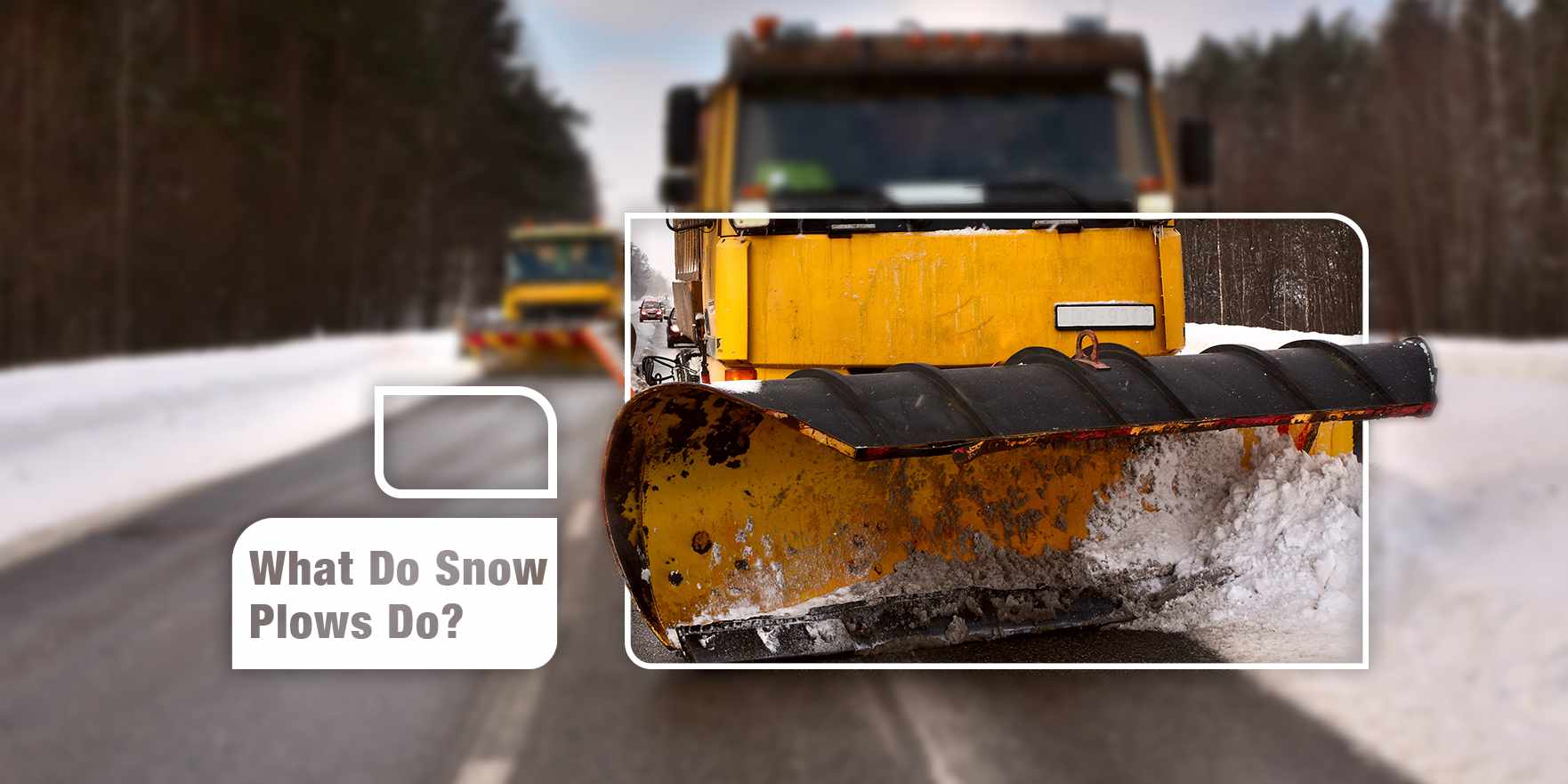
What Do Snowplows Actually Do?

Plows are for more than just removing snow

Snowplows travel slowly at usually 30 miles per hour or less. Plows aren't just removing snow, and also may be spreading sand or deicer on roads. Snowplows also can plow wide stretches of roadways, which can go up to 24 feet.

Different types of storms require the use of different snow-fighting techniques, and the decision to plow or use salt depends on the anticipated weather conditions. Whether an operator is plowing snow from a roadway depends on the depth or heaviness of snow or slush, severity of the storm and in what stage of the storm the truck is being operated.

In addition, temperature plays a role as to whether or not to plow. If temperature is below 20 degrees Fahrenheit and not expect to increase, salt will not be effective. But if the temperature is 20 degrees Fahrenheit or more with the sun shining and anticipated to increase or remain steady, salt would be more effective than plowing. Under the wrong conditions, plowing can create a polished street surface leading to glare ice.


Sources:

State of Connecticut Department of Transportation, “Winter Snow and Ice FAQ,” Go to: https://www.ct.gov/dot/lib/dot/documents/dmaintenance/winter_snow_&_ice_faq_rev_11-9-15.pdf


Nebraska Department of Roads, “What Should I do When There is a Snow Plow Ahead of Me on the Highway?” Go to: https://dot.nebraska.gov/media/3471/snowplow.pdf


Kansas Department of Transportation, “Managing Snow and Ice.” Go to: https://www.ksdot.org/PDF_Files/SnowandIceEfforts.pdf

City of Iowa City, “Snow Plowing 101 FAQ.” Go to: https://www.icgov.org/snowFAQs


Linkedin Facebook Instagram YouTube
Contact Worldwide
Privacy Notices Fraud Notice
Website Terms of Use Purchase Order Terms IRM
© 2026 Cargill, Incorporated. All Rights Reserved.